Walk into any watch forum and ask whether IWC or Breitling makes the better pilot watch.
You’ll get plenty of opinions. Some passionate. Some surprisingly defensive.
What’s interesting, though, is that most of these debates focus on specifications, movement references, or brand history. Those things matter, certainly. But after spending years around luxury watches—handling them, collecting them, and occasionally regretting selling them—I’ve come to believe that the real difference between IWC and Breitling is much simpler.
They wear differently.
They feel different.
And perhaps most importantly, they attract very different types of enthusiasts.
While both brands are deeply connected to aviation, they tell that story in completely different ways.
Two Brands, One Heritage, Very Different Personalities
At first glance, putting IWC and Breitling side by side seems logical.
Both are Swiss manufacturers.
Both built their reputations around aviation-inspired timepieces.
Both produce some of the most recognizable pilot watches on the market.
Yet when you actually spend time with them, similarities begin to fade.
An IWC often feels like a piece of engineering first and a luxury item second.
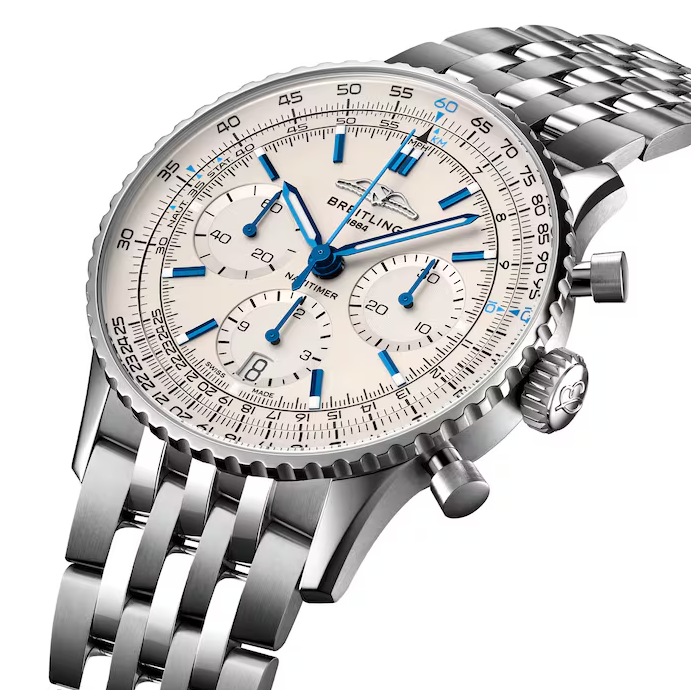
A Breitling tends to do the opposite.
Not in a negative way.
Breitling watches are designed to be noticed. Even from a distance.
IWC watches generally reveal their strengths more gradually.
I’ve always found that comparison fascinating because it mirrors two very different philosophies of watchmaking.
One whispers.
The other speaks confidently.
Neither approach is wrong.
Design Language: Clean Instruments vs Aviation Equipment
One thing that struck me years ago when comparing an IWC Big Pilot to a Breitling Navitimer was how differently they approached legibility.
The Big Pilot looked almost minimalist.
Large numerals.
Plenty of negative space.
No unnecessary distractions.
The dial felt calm.
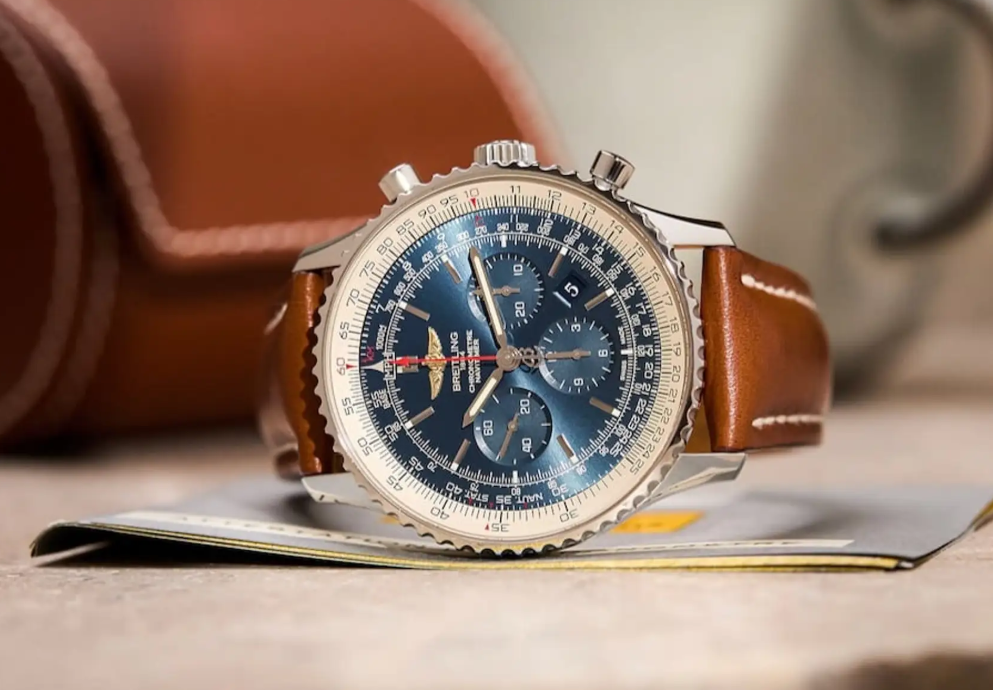
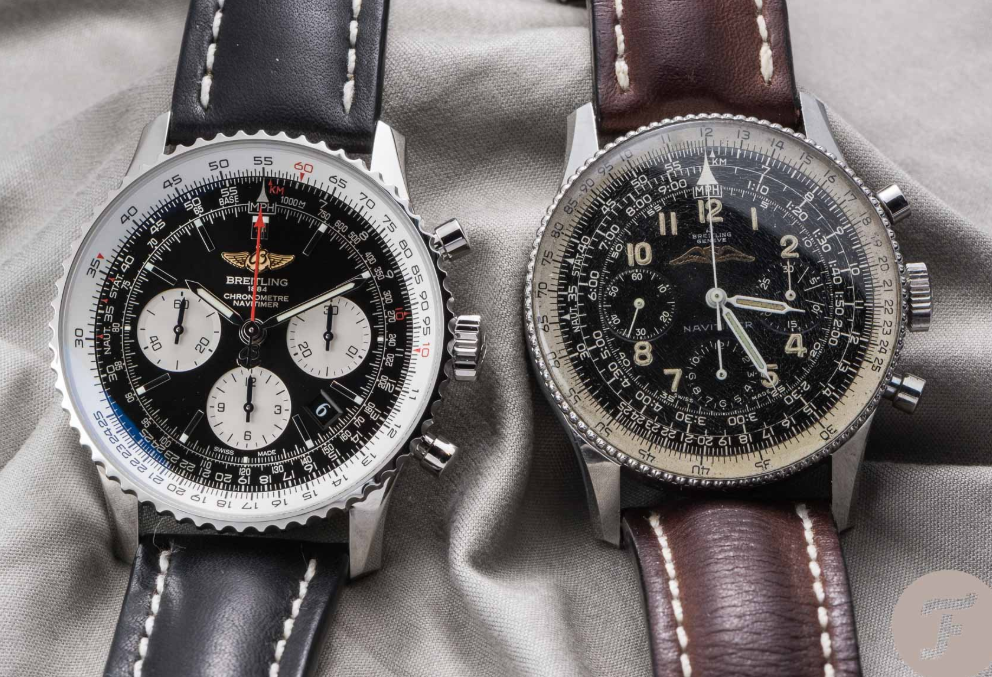
The Navitimer, by contrast, looked like a cockpit instrument transplanted directly onto the wrist.
There was information everywhere.
Scales.
Subdials.
Markings.
And yet somehow it worked.
This difference remains visible across much of each company’s catalog.
| Feature | IWC | Breitling |
|---|---|---|
| Dial Style | Clean and Balanced | Technical and Detailed |
| Visual Impact | Understated | Strong Presence |
| Everyday Versatility | Excellent | Moderate |
| Tool Watch Feel | Modern | Traditional Aviation-Inspired |
| Formal Wear Compatibility | High | Depends on the Model |
Personally, I find IWC easier to wear every day.
Breitling tends to make a stronger first impression.
The question becomes whether that first impression still feels appealing after six months of ownership.
Why Many Long-Term Collectors Drift Toward IWC
Something I’ve noticed over the years is that newer enthusiasts often underestimate IWC.
The watches can appear almost too simple in photographs.
Then they try one on.
Everything changes.
The proportions suddenly make sense.
The finishing becomes more apparent.
The dial depth reveals itself under natural light.
A watch like the Mark XX doesn’t need bright colors or polished surfaces to grab attention. Instead, it relies on balance.
That’s harder to achieve than many people realize.
Good design often looks effortless.
Creating it rarely is.
In many ways, IWC reminds me of a well-tailored jacket. It may not stand out on a crowded rack, but once it’s on your wrist, its strengths become difficult to ignore.
Even among enthusiasts exploring replica IWC models, accuracy of proportions and dial execution tends to matter more than flashy details.
That says a lot about the original design itself.
Breitling’s Biggest Strength Isn’t What Most People Think
People often talk about Breitling’s large cases.
Or the polished bracelets.
Or the aviation history.
All valid points.
But I think Breitling’s greatest strength is identity.
Many modern luxury watches have started looking surprisingly similar.
Integrated bracelets.
Blue dials.
Sport-luxury aesthetics.
Breitling has largely resisted that trend.
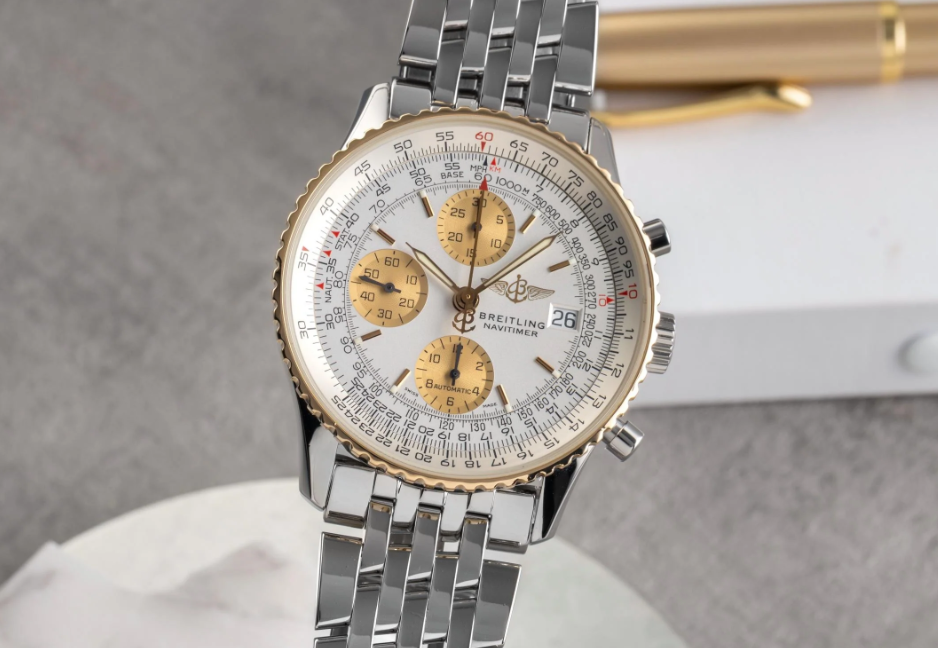
A Navitimer still looks like a Navitimer.
A Chronomat still feels like a Chronomat.
You don’t need to read the logo to recognize them.
That’s becoming increasingly rare in today’s market.
There’s something refreshing about a brand that isn’t constantly chasing the latest design trend.
For collectors who appreciate watches with strong character, Breitling continues to offer something genuinely distinctive.
Living With Them: What Specifications Won’t Tell You
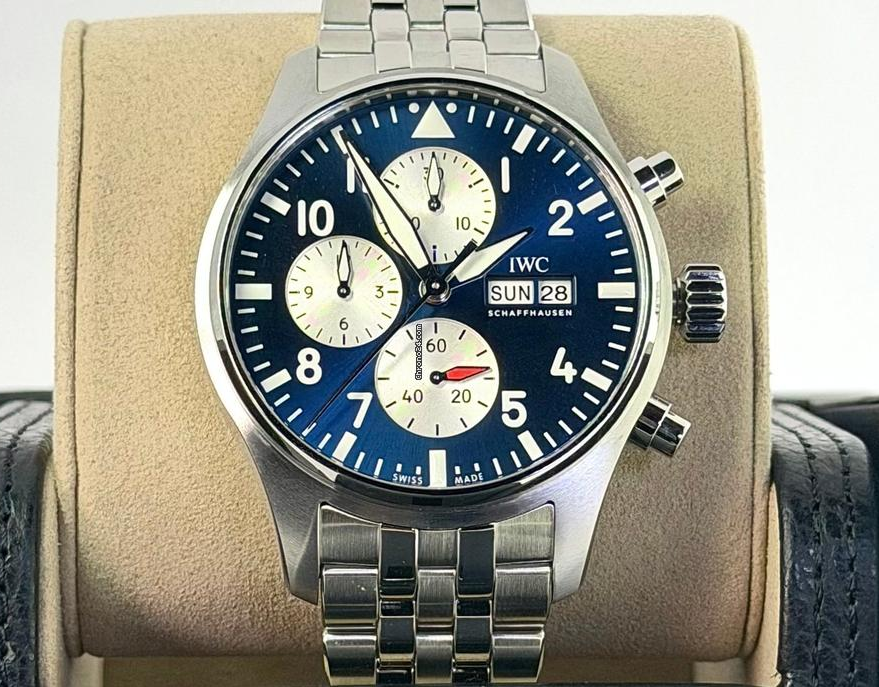
This is where reviews often fall short.
Most buyers don’t spend their day comparing movement architecture.
They wear watches.
They glance at them during meetings.
They notice how they feel after eight hours on the wrist.
That’s where real ownership begins.
An IWC tends to disappear in the best possible way.
The watch becomes part of your routine.
Its comfort, readability, and versatility slowly become apparent.
Breitling is different.
You remain aware of it.
The extra weight.
The polished surfaces catching sunlight.
The visual complexity.
Some owners love that interaction.
Others eventually prefer something quieter.
Neither experience is better.
They’re simply different.
What About the Replica Market?
The popularity of replica watches has grown alongside rising luxury watch prices, making this comparison relevant beyond the genuine market.
From a purely visual perspective, IWC designs are often easier to execute convincingly because their appeal comes from proportions, finishing quality, and clean dial layouts.
Breitling presents a greater challenge.
The highly detailed bezels, polished components, and intricate chronograph displays leave less room for manufacturing shortcuts.
That’s why experienced buyers often examine Navitimer replicas much more critically than simpler pilot watch designs.
A small mistake can become immediately noticeable.
By comparison, a well-executed pilot watch inspired by IWC’s cleaner aesthetic can often achieve a more convincing overall appearance.
Strengths and Weaknesses Nobody Likes to Admit
No brand gets everything right.
That’s part of what makes collecting interesting.
Where IWC Excels
Pros
- Exceptional dial balance
- Strong everyday wearability
- Excellent pilot watch heritage
- Versatile enough for business and casual settings
- Consistently refined design language
Cons
- Some models can feel overly conservative
- Less excitement for buyers seeking bold aesthetics
- Pricing occasionally feels ambitious compared to competitors
Where Breitling Excels
Pros
- Instantly recognizable designs
- Strong aviation identity
- Outstanding chronograph heritage
- Greater visual presence on the wrist
Cons
- Larger sizes limit accessibility
- Certain models can feel busy
- Less adaptable in formal environments
- Some designs age better than others
Interestingly, many collectors eventually own one of each.
That alone tells you something.
So Which One Would I Choose?
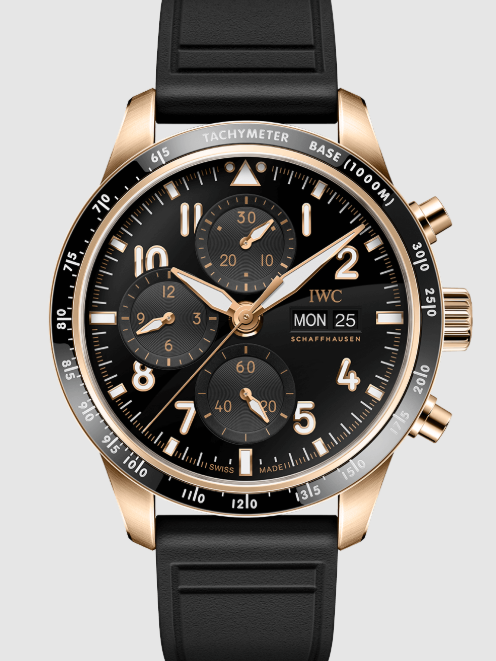
If I had to keep only one pilot watch in my collection for the next ten years, I’d probably choose an IWC.
Not because it’s objectively better.
Because it’s easier to live with.
The versatility matters more than many enthusiasts expect.
It works with a suit.
It works with denim.
It works while traveling.
It rarely feels out of place.
That said, there are days when a Breitling makes a stronger emotional argument.
A Navitimer isn’t merely a watch.
It’s a conversation starter.
It’s history, engineering, and personality wrapped into one unmistakable design.
And sometimes that’s exactly what you want from a watch.
Perhaps that’s why the IWC vs Breitling debate never truly ends.
The two brands aren’t competing to be the same thing.
They’re offering different interpretations of what a pilot watch should be.
One focuses on refinement.
The other celebrates character.
The better choice isn’t determined by specifications.
It’s determined by which philosophy feels more natural once it’s sitting on your wrist.