Rolex’s Market Leadership in a Cooling Watch Economy
Despite global economic fluctuations and changing consumer behavior, Rolex remains the most influential force in Swiss watchmaking. Industry reports consistently place the brand at the top in terms of revenue share within the Swiss luxury sector. This dominance is not built on aggressive marketing gimmicks or rapid product cycles. Instead, it rests on consistency.
Rolex’s strategy has always been long-term. The company avoids dramatic redesigns, rarely discontinues core aesthetics, and carefully controls production volumes. The result is a catalog that feels timeless rather than trend-driven. Models evolve slowly, often through technical refinement rather than visual overhaul.
In recent years, Rolex has also expanded its presence strategically without diluting exclusivity. Rather than dramatically increasing supply, the company has invested in production infrastructure and long-term capacity. The focus is not on flooding the market, but on maintaining quality control while responding to sustained global demand.
The Cooling Secondary Market: A Healthier Landscape
During the peak of global luxury speculation, replica rolex watches became headline investments. Certain stainless-steel sports models traded significantly above retail, sometimes doubling in value within short timeframes. While this surge brought attention to the brand, it also introduced speculative behavior that shifted focus away from horological appreciation.
Recently, however, the secondary market has shown signs of normalization. Prices for some high-demand references have softened compared to their historic highs. While still strong relative to retail, the extreme premiums have moderated.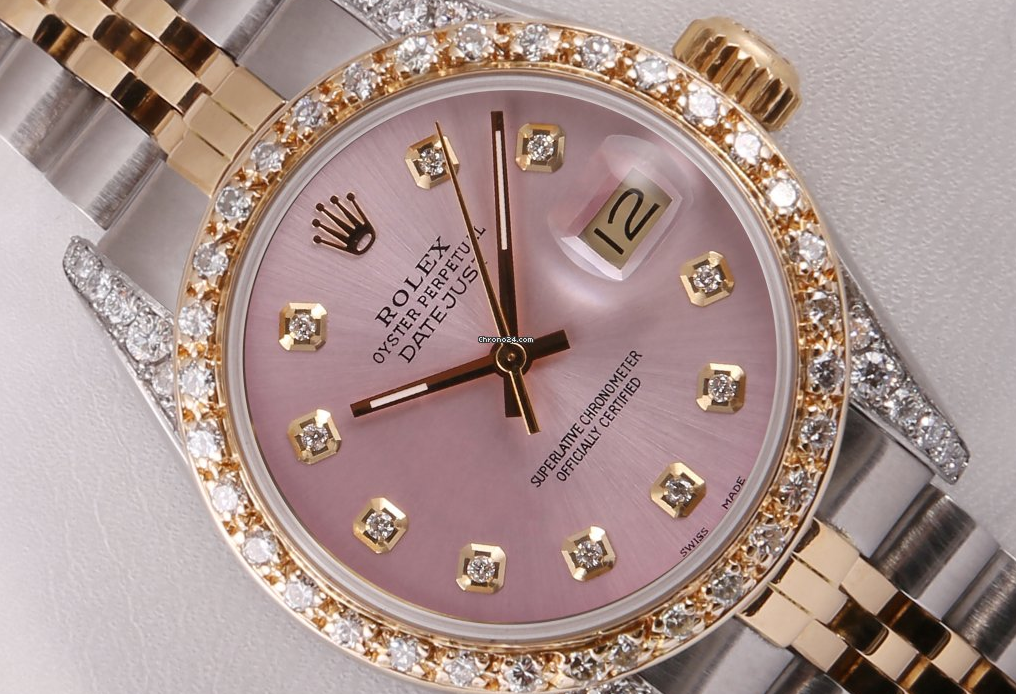
This shift can be viewed positively for several reasons.
First, it reduces speculative pressure. When prices rise too quickly, many buyers enter the market solely for short-term profit. As values stabilize, the community naturally shifts back toward enthusiasts-individuals who genuinely appreciate craftsmanship and design.
Second, a more balanced secondary market improves accessibility. Although Rolex remains a premium brand, slight corrections make entry more realistic for new collectors who were previously priced out.
Third, normalization enhances long-term sustainability. Markets driven by extreme volatility are rarely healthy. Gradual growth and steady demand better reflect genuine brand strength rather than hype cycles.
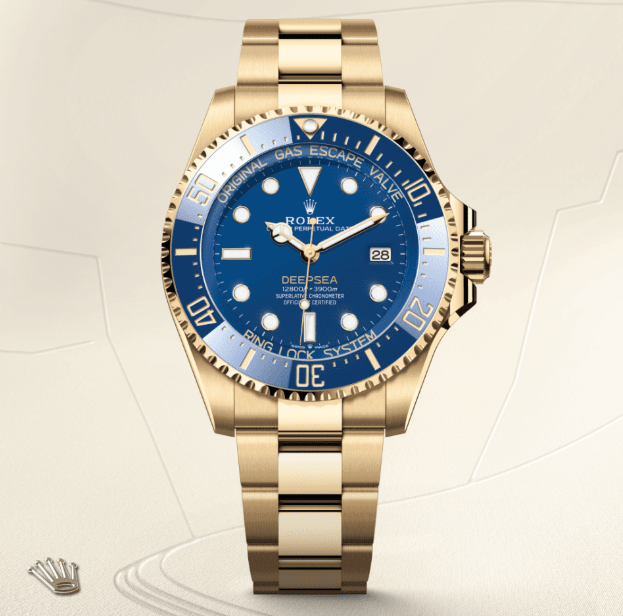
Importantly, Rolex itself has not fundamentally changed its identity during these fluctuations. The brand’s positioning remains consistent. What has shifted is the broader market environment-a reminder that even the most prestigious names operate within global economic dynamics.
Cultural Power Beyond Pricing
One reason Rolex remains resilient is that its appeal extends beyond market charts. The brand occupies a unique cultural position. It is equally present in boardrooms, sporting arenas, red-carpet events, and everyday life.
Rolex watches are often associated with milestones-career achievements, personal successes, generational gifts. This emotional layer differentiates the brand from purely fashion-driven luxury products. A Rolex is frequently purchased to mark a life moment, not just to follow a trend.
Because of this emotional resonance, short-term price fluctuations rarely damage long-term desirability. The meaning behind the watch transcends temporary market corrections.
The Role of Replica Watches in a Changing Market
As Rolex maintains its premium positioning, it is natural that alternative segments-including replica watches-continue to exist and adapt.
High-quality replica watches reflect the widespread admiration for Rolex’s design language. The Oyster-style case, classic fluted bezels, clean sport dials, and versatile bracelet structures are among the most recognized visual codes in watchmaking. Their popularity inevitably inspires imitation.
For many consumers, replicas serve practical purposes. Not everyone wishes to allocate a significant budget to a luxury timepiece. Others may prefer to reserve genuine pieces for special occasions while wearing alternatives in daily environments where damage or theft risk is higher.
It is essential to differentiate between fraudulent misrepresentation and informed purchasing. When replicas are transparently sold and knowingly purchased as stylistic alternatives, they occupy a different space than counterfeit deception. In this context, replicas become accessible fashion interpretations rather than attempts to undermine the original brand.
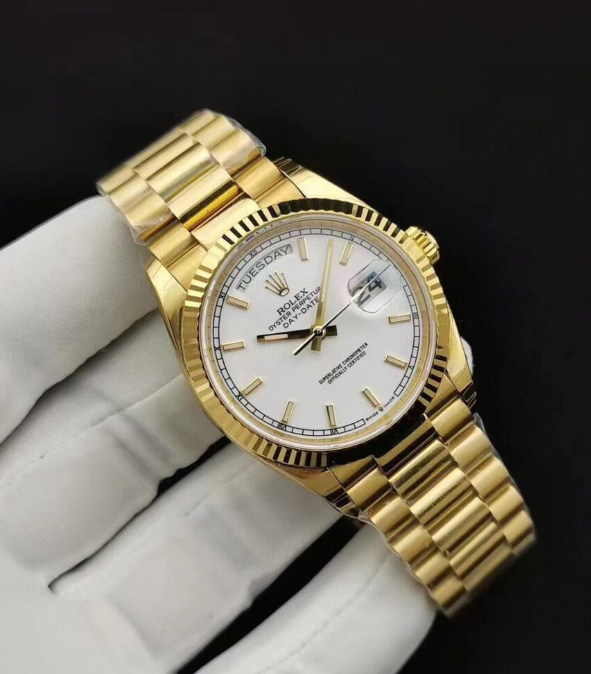
Interestingly, the recent cooling of the secondary market may influence the replica landscape as well. As authentic pre-owned Rolex watches become slightly more attainable, some buyers may choose to transition into genuine ownership. At the same time, persistent high retail pricing ensures that replicas remain relevant for global audiences seeking aesthetic appeal without long-term financial commitment.
The coexistence of authentic and replica markets ultimately highlights the extraordinary demand for Rolex design. Few brands inspire such extensive global replication. That level of recognition speaks to enduring influence.
Rolex’s future appears grounded in measured growth rather than dramatic transformation. Continued investment in production capacity, steady brand messaging, and controlled distribution signal confidence. Rather than chasing trends, Rolex reinforces its identity through refinement.
Meanwhile, the broader replica watch ecosystem-authorized dealers, pre-owned platforms, independent sellers, and replica manufacturers-continues to orbit around the gravitational pull of the Crown.
The normalization of secondary pricing suggests a healthier environment ahead. Enthusiasts can refocus on appreciation rather than speculation. New collectors may find entry points that feel less intimidating. And alternative segments will continue to provide accessible interpretations for global audiences.
As market conditions shift and consumer preferences evolve, one truth remains consistent: Rolex is not simply participating in the watch industry-it is shaping it. And whether through authentic ownership, certified pre-owned acquisition, or stylistic admiration through replicas, the influence of the brand continues to define modern horology.